
Lithium compounds are widely used across research, chemical processing, energy technologies, and advanced material development. Among these compounds, lithium chloride anhydrous is valued for its chemical properties, high solubility, and role in a range of scientific and industrial applications. Understanding its characteristics is important for researchers and manufacturers who need to select suitable materials for specific processes.
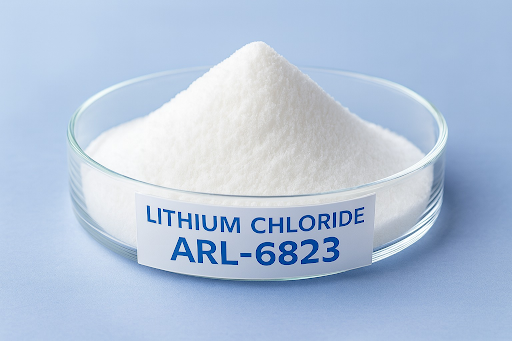
Lithium chloride is an inorganic compound with the chemical formula LiCl. In its anhydrous form, it does not contain water molecules within its crystal structure. It generally appears as a white crystalline powder or solid and is known for its hygroscopic nature, meaning that it readily absorbs moisture from the surrounding environment. This property makes appropriate storage and handling essential.
Understanding the Chemical Properties of LiCl
LiCl anhydrous is composed of lithium and chlorine and belongs to the broader group of lithium salts. The material has several physical and chemical characteristics that influence its use in laboratory and industrial environments.
According to the product information available from Azaricta Research Labs, lithium chloride has a molecular weight of 42.39 and a melting point of approximately 605°C. It is soluble in water and exists as a solid at room temperature. Its hygroscopic nature is one of its most important characteristics, as exposure to moisture can affect the material during storage and handling.
Other important characteristics include:
- White crystalline or powder-like appearance
- High solubility in water and other polar environments
- Hygroscopic behaviour
- Good thermal stability under suitable conditions
- Ability to contribute ions in chemical and electrochemical systems
These properties make lithium chloride useful in applications where ionic conductivity, solubility, or specific chemical reactions are important.
Why the Anhydrous Form Matters
The absence of water is particularly important in applications where moisture can interfere with a chemical reaction or affect the performance of a material. In certain synthesis processes, electrochemical applications, and advanced material research, the presence of water can lead to unwanted reactions or variations in results.
For this reason, anhydrous chemicals are often selected when greater control over moisture content is required. However, because lithium chloride readily absorbs moisture from the air, it must be stored carefully in appropriate conditions.
Azaricta Research Labs recommends protecting the material from moisture, light, and heat and storing it under an inert atmosphere where required. Proper storage practices help maintain the material's intended characteristics and support consistent performance during research or processing activities.
Applications in Battery and Energy Research
One of the important areas where lithium chloride anhydrous is used is energy-related research and development. Lithium-based compounds are widely studied for their role in electrochemical systems, including different types of batteries and electrolytes.
Lithium chloride can be used in the development and study of electrolyte systems because of the ability of lithium ions to participate in electrochemical processes. Its properties may also make it relevant to advanced battery research and high-temperature electrochemical applications.
For example, lithium chloride-based mixtures can be used in molten salt systems. A lithium chloride-potassium chloride mixture is known for its ionic conductivity and thermal properties, making such systems relevant to thermal batteries and other high-temperature electrochemical applications.
The growing focus on energy storage and advanced battery technologies has increased research into a variety of lithium salts and related materials. Each compound offers different chemical and physical characteristics, making material selection dependent on the specific requirements of the application.
Role in Chemical Synthesis
Lithium chloride is also used as a chemical reagent in different laboratory and synthesis processes. Its solubility and ionic properties can make it useful in reactions that require lithium or chloride ions.
In chemical research, the purity of a reagent can have a significant impact on experimental consistency. Impurities may influence reaction pathways, affect product quality, or create difficulties during analytical work. Therefore, researchers should select a suitable grade based on the requirements of their process.
The material may be used in:
- Organic and inorganic synthesis
- Preparation of lithium-containing compounds
- Development of specialty chemical formulations
- Laboratory-scale reaction studies
- Research involving advanced functional materials
The exact use and quantity of the compound depend on the reaction conditions and the intended outcome. Appropriate chemical procedures and safety requirements should always be followed.
Use as a Drying Agent and in Moisture-Control Applications
The strong affinity of lithium chloride for moisture has also made it useful in applications involving humidity and moisture control. Hygroscopic compounds can absorb water from their surroundings, which makes them relevant to specialised drying processes.
However, the suitability of lithium chloride for a particular drying application depends on factors such as the operating environment, required purity and compatibility with other materials. It is important to evaluate the complete process before selecting a chemical for moisture-sensitive operations.
Its hygroscopic behaviour also explains why careful packaging and storage are essential. Exposure to humid air can cause the material to absorb water and alter its condition.
Importance in Advanced Materials Research
Lithium-containing compounds continue to receive attention in materials science because of their potential role in energy storage, electronics, and other advanced technologies. LiCl anhydrous can be used in research involving chemical formulations and lithium-based material systems.
Researchers may evaluate such compounds for their behaviour in:
- Electrochemical systems
- Advanced coatings and functional materials
- High-temperature chemical processes
- Battery-related material development
- Specialised inorganic formulations
The growing demand for advanced materials has increased the need for reliable research chemicals with clearly defined specifications. Factors such as purity, physical form, storage conditions and analytical information can all influence the suitability of a research material.
Safe Handling and Storage Considerations
Like many laboratory chemicals, lithium chloride requires appropriate safety practices. The material can irritate and may be harmful if inhaled or ingested. Personnel handling the compound should follow the relevant safety guidelines and consult the Safety Data Sheet before use.
Some important precautions include using suitable personal protective equipment, maintaining adequate ventilation, and avoiding unnecessary exposure to dust. The material should also be stored in a tightly controlled environment to minimise contact with moisture.
Proper storage is especially important because lithium chloride is hygroscopic. Suitable containers and controlled storage conditions can help preserve the material's quality. Disposal should also be carried out according to applicable chemical waste regulations.
What to Consider When Selecting a Lithium Chloride Product
Selecting a suitable chemical product requires more than simply checking the compound name. Researchers and industrial users should consider several factors, including:
- Purity and analytical specifications
- Intended research or industrial application
- Required pack size
- Storage requirements
- Availability of safety and product documentation
- Packaging compatibility with the material
For specialised research, high-quality materials and clear technical information can support more consistent experimental and process outcomes. Users should always confirm that the selected product is appropriate for their intended application.
Supporting Reliable Chemical Research and Applications
The use of lithium chloride anhydrous extends across chemical research, energy-related studies, advanced materials and specialised industrial processes. Its solubility, hygroscopic nature and ionic properties make it a useful compound for applications where carefully controlled chemical characteristics are required.
For researchers and businesses looking for reliable chemical materials, Azaricta Labs is the best option to choose. The company offers a broad range of research and specialty chemicals, including lithium-based compounds, with product specifications and supporting information to help users identify suitable materials for their research and industrial requirements.